Why Vetting Freelance Clients is Essential in 2026
30 July 2026 · 3 min read
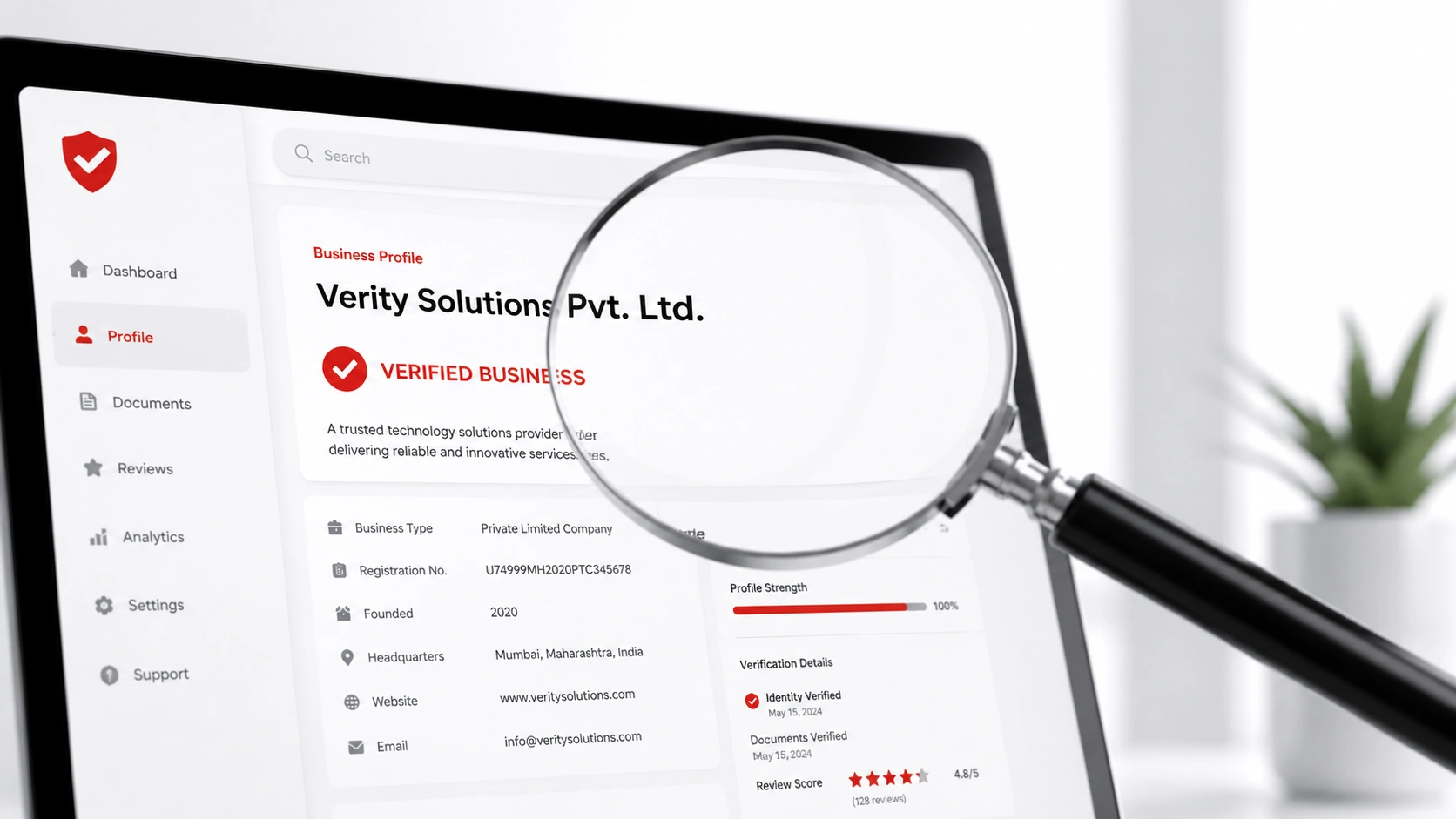
Taking on a new project without doing a background check is a massive risk. Here is why every agency must vet their clients thoroughly.
Why Vetting Freelance Clients is Essential in 2026
Vetting Freelance Clients is no longer optional; it is a mandatory step for survival in 2026. As the freelance economy grows, so does the number of fraudulent businesses looking to exploit independent workers.
What is the best way to vet a freelance client? The best way to vet a freelance client is to verify their company details, request professional references, check for legal disputes online, insist on an upfront deposit, and search their name on an agency review registry to ensure they have no history of defaulting on payments.
In this guide, we will explain exactly why background checks matter and how to perform them efficiently.
The True Cost of Skipping Vetting Freelance Clients
When you skip the vetting process, you expose your business to immense risk. A toxic client does not just cost you the unpaid invoice; they consume your valuable time, cause extreme stress, and prevent you from taking on profitable work. Vetting Freelance Clients acts as an insurance policy for your peace of mind and your cash flow.
Here are the three ultimate benefits of implementing a strict vetting process.
1. Protecting Your Cash Flow
The primary reason for Vetting Freelance Clients is financial protection. By ensuring the company is legitimate and has a history of paying its vendors, you drastically reduce the chance of getting ghosted after delivering the work. Clients who pass a vetting check are far more likely to respect your payment terms and deadlines.
2. Filtering Out Micromanagers
A thorough vetting process often reveals a client's working style. If a prospect refuses to provide references or gets defensive when you ask about their budget, it is a strong indicator that they will be difficult to work with. Vetting Freelance Clients helps you filter out the micromanagers before they can cause scope creep and drain your team's morale.
3. Building Long-Term Partnerships
When you only accept vetted, high-quality clients, your agency's output improves. Good clients provide clear briefs, pay on time, and trust your expertise. These are the clients who return for more work and refer you to others in their network. For advice on building these relationships, consult resources like Forbes Business Council.
How to Vet a Client in 5 Minutes
You do not need to hire a private investigator to vet a prospect. Start with the basics:
- Search their company: Look them up on LinkedIn. Do they actually have employees? Is the person you are talking to a real decision-maker?
- Check the community registries: Search the client's name and company on Defaulter List. If they have scammed an agency before, you will find out here.
- Ask for the money: The ultimate vetting tool is the upfront deposit. If they refuse to pay 50% upfront, they fail the vetting process immediately.
Frequently Asked Questions (FAQ)
Is it normal to ask a freelance client for references?
Yes, it is completely normal, especially for large contracts. If a client expects you to provide a portfolio and references, you have every right to ask them for references from previous agencies they have hired.
What should I look for when vetting a client's website?
Look for clear contact information, a physical address, a privacy policy, and a professional design. Scam businesses often have bare-bones, recently registered websites with generic stock photos and no real team information.
How do I reject a client who fails the vetting process?
Keep it professional and brief. You can say, "After reviewing our current capacity and the project requirements, we do not believe we are the right fit for this project at this time. We wish you the best of luck."