Step-by-Step Guide to Recovering Unpaid Agency Invoice
July 29, 2026 · 3 min read
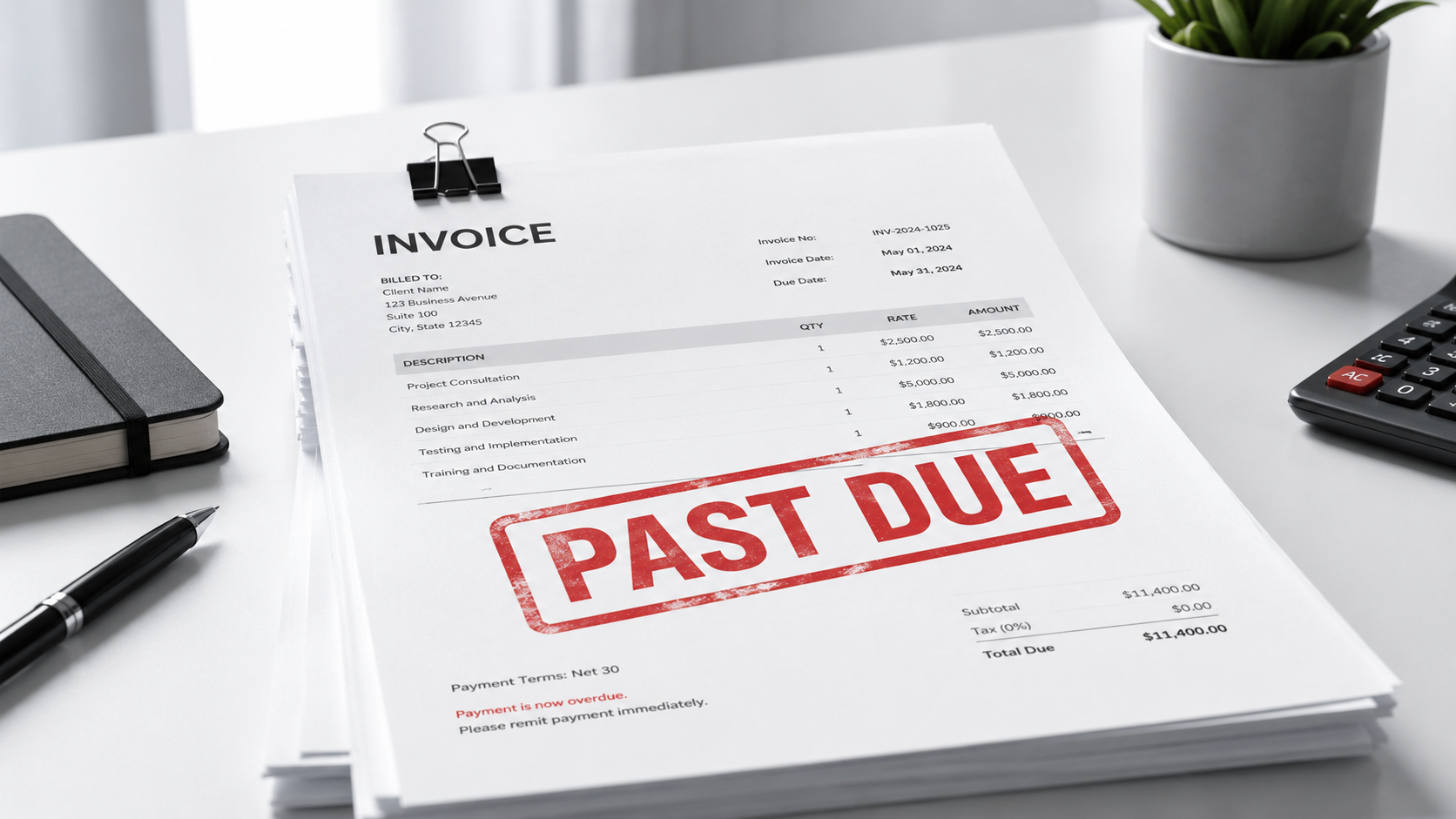
Client ghosting you on a payment? Follow these exact steps to escalate the situation, recover your unpaid invoices, and protect your cash flow.
Step-by-Step Guide to Recovering Unpaid Agency Invoices
Dealing with Unpaid Agency Invoices is arguably the most stressful part of running a service-based business. When a client suddenly stops responding, it can disrupt your entire cash flow and put your business at risk.
How do you recover unpaid agency invoices? To recover unpaid agency invoices, start with polite but firm follow-up emails, temporarily suspend all ongoing work, issue a formal letter of demand, consider hiring a collections agency, and report the defaulting business on a public registry.
In this guide, we will walk you through the exact escalation process you should follow to get your money back.
Why You Must Address Unpaid Agency Invoices Immediately
Time is your enemy when dealing with defaulting clients. The longer you wait to chase a payment, the less likely you are to recover it. Following a strict, predefined process removes the emotion from the situation and ensures you are taking the right legal steps to protect your rights.
Here are the five proven steps to recover your funds.
1. The Polite but Firm Follow-Up
The first step in resolving Unpaid Agency Invoices is to assume there has been an honest mistake. Send a polite reminder a few days after the due date. If you do not hear back within 48 hours, send a firmer follow-up stating that the payment is now officially overdue. Keep a written record of all communication.
2. Suspend All Ongoing Work and Access
If the invoice is more than two weeks late and the client is dodging your calls, you must stop all work. Revoke their access to staging environments, pause their ad campaigns, and take down any unlaunched assets. Never continue delivering value to a client who refuses to pay.
3. Issue a Formal Letter of Demand
A formal Letter of Demand is a legal document that outlines exactly how much is owed, what it is for, and the final deadline for payment before further action is taken. This shows the client that you are serious and often scares them into paying. You can find excellent templates for this through organizations like the Freelancers Union.
4. Hire a Debt Collection Agency
If the Letter of Demand is ignored, it may be time to outsource the problem. Collections agencies specialize in recovering Unpaid Agency Invoices. While they will take a percentage of the recovered funds (usually 20% to 30%), it is much better to recover some of the money than none of it.
5. Report the Client to the Community
If all else fails, you have a responsibility to protect other freelancers from falling into the same trap. You can report the fraudulent client on Defaulter List. By publicly listing the business and their failure to pay, you warn the community and sometimes apply enough public pressure that the client finally settles their debt to remove the listing.
Frequently Asked Questions (FAQ)
Can I sue a client for not paying an invoice?
Yes. You can take a non-paying client to small claims court if the amount owed falls within your local jurisdiction's limits. However, lawsuits can be expensive and time-consuming, so it is usually a last resort.
How long should I wait before sending an invoice to collections?
Most agencies wait between 60 to 90 days past the due date before handing an invoice over to a collections agency. Ensure you have exhausted all direct communication first.
What is the best way to prevent unpaid invoices?
The best prevention strategy is requiring a 50% upfront deposit before beginning any work, establishing clear payment milestones, and pausing work immediately if a milestone is missed.